
Twenty years ago, a small French startup launched, with the same goal that investors are pouring billions into today: to get humanoid robots out of labs and into the real world.
By all accounts, they succeeded. Yet their story still ended in flames.
Aldebaran Robotics built the future, as envisioned today, before most even tried. They developed two of the most iconic robots of all time, and they actually sold them. They shipped tens of thousands of emotionally responsive humanoids at global scale while others were still drafting research papers.
It still wasn’t enough.
As an international arms race pushes a myriad of firms to bring AI-powered humanoids into daily life, most will inevitably discover what Aldebaran learned the hard way: The future is easy to imagine but nearly impossible to sustain.
Bruno Maisonnier launched Aldebaran Robotics in Paris in 2005. It was a bold pivot for the French engineer and entrepreneur who previously worked in executive roles in the banking sector.

He assembled a small team in hopes of capitalizing on a golden age of optimism in robotics, especially for humanoid and socially interactive machines.
Honda’s ASIMO was already world famous for its physical abilities. Tech media called it a glimpse into a robot-run future. DARPA’s grand challenges pushed autonomous mobility forward and raised awareness about breakthroughs in AI and robotics.

iRobot’s Roomba was shifting public perception of robots in everyday settings. Institutions were investing heavily in Human Robot Interaction research as the industry shifted from factory robots to service and social machines.
Aldebaran engineers developed its first prototypes to fill in a void Sony left, when it discontinued its popular AIBO robotic dog in 2006.
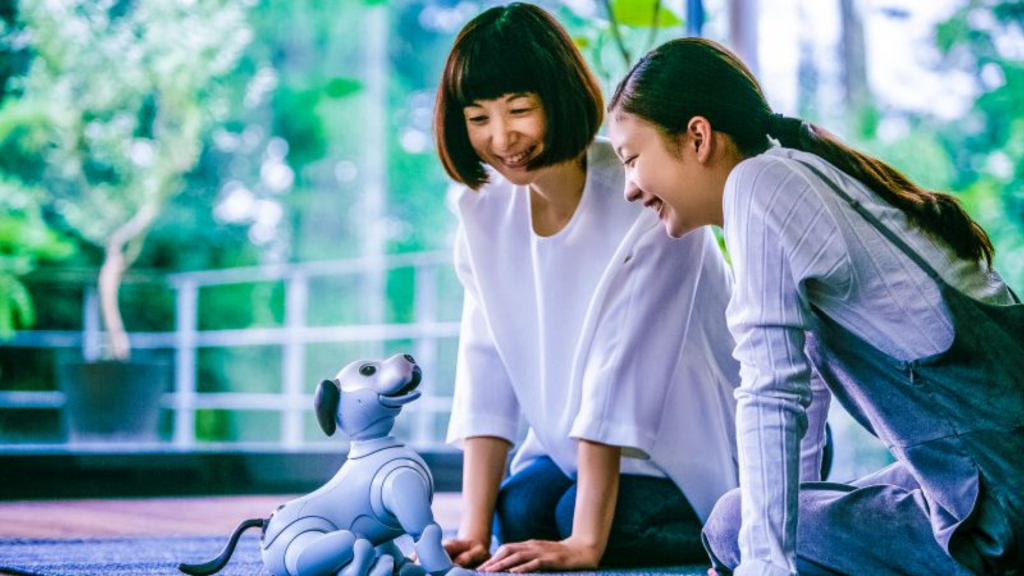
The startup introduced its NAO humanoid robot in 2008 as the official replacement for Sony’s quadruped in the RoboCup Standard Platform League. A commercial version for academia followed in 2010.

Standing 58 cm and weighing just over 5 kg, NAO became the default humanoid platform for education, and human-robot interaction research. Aldebaran had successfully filled a gap left by a Japanese tech giant, which caught the attention of another Japanese juggernaut.
By the time SoftBank acquired it in 2012, the company had manufactured around 3,000 robots that could be found in research labs and educational institutions worldwide. Following the acquisition, NAO’s adoption accelerated significantly.
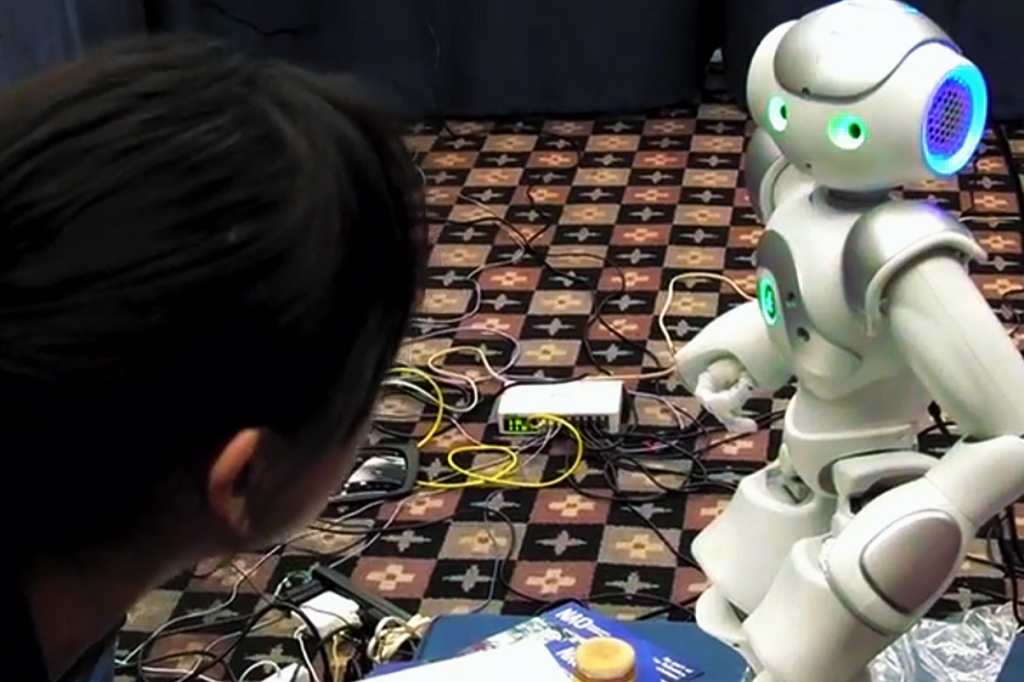
By 2017, more than 10,000 units had been sold across over 70 countries. At that point, the market had shifted, and Sony resurrected its AIBO line.
Programmable, expressive, and friendly, the NAO robots were ideal for courses on AI, robotics, and coding for students from kindergarten to grad school. There was also a growing hobbyist market, but the robot’s pricing, ranging from $5K to $10K thousand dollars was out of reach for most.
After Soft Bank stepped in, Aldebaran had the global recognition and financial backing to take things to the next level. The founder, who stayed on as CEO after the acquisition, always envisioned robots as companions, not just research tools. SoftBank’s Masayoshi Son believed that robots would be the next major platform like smartphones.

Aldebaran’s Paris based team started developing Pepper around 2013 to be the world’s first emotional robot. Unveiled in June 2014 in Tokyo, Pepper was developed with funding and direction from SoftBank and manufactured by Foxconn in China and Taiwan.
“We have made a new entry into the robot business with the aim of developing affectionate robots that make people smile,” SoftBank’s CEO said in a press release at the time. “Using emotion engines and Cloud AI, which evolves with collective wisdom, we’re making this happen. As our first entry, we are pleased to offer the world’s first personal robot that reads emotions, Pepper, which we developed with Aldebaran.”

With its ability to recognize and respond to human emotions, Pepper was designed for customer service, hospitality, education, retail, and healthcare settings.
Standing about 120 cm, the 28 kg humanoid got around with its wheeled base. Like NAO, Pepper featured an approachable design with rounded, non-threatening shapes and big expressive eyes.
The robot came equipped with 3D cameras; sensors for depth, sonar, and touch; four microphones for directional hearing; and a tablet for interaction on its chest. Its emotion engine used AI to analyze voice tone, facial expressions, and language to infer emotional states.
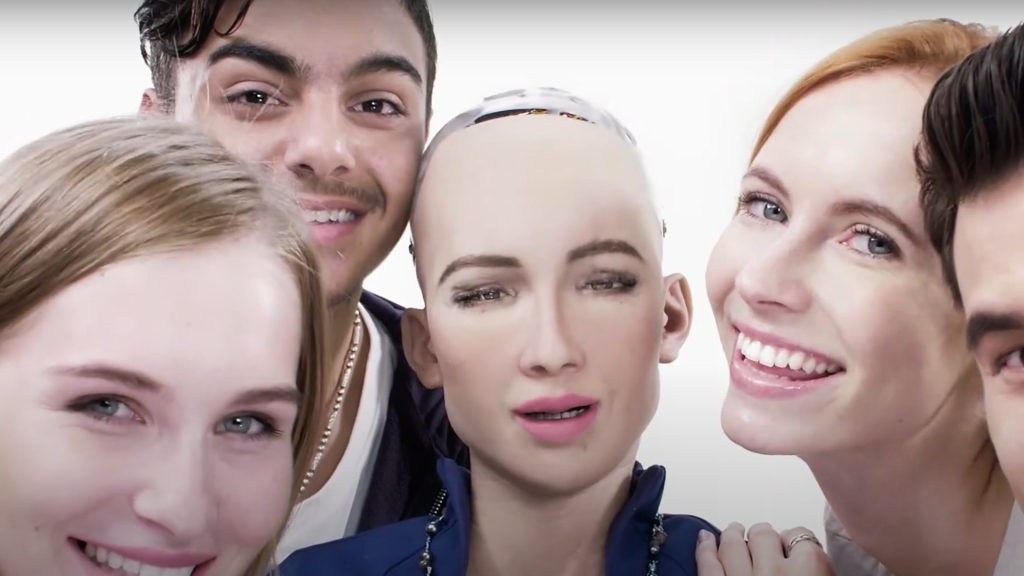
Pepper was one of the few robots to reach celebrity status amid a global rush to get intelligent machines to market.
While Sophia from Hanson Robotics gained virality thanks to the Uncanny Valley effect, Atlas by Boston Dynamics captivated audiences with its physicality. However, Sophia was being developed more as a character than a commercial product and Atlas was strictly an R&D platform, with no immediate commercialization plans.

Pepper was the most serious commercial attempt to gain early market share in social robotics. Pepper robots addressed lawmakers, greeted and assisted travelers in airports, assumed receptionist and companionship roles at healthcare facilities, provided customer service in retail stores, and helped promote Nestle’s coffee machines in more than 1,000 establishments.

Like Nao, Pepper was widely used in education, appearing in academic conferences, STEM classrooms, and taking part in coding bootcamps for kids.
Though the future appeared bright from the outside, internally the company was already unraveling. After the founder departed in 2015, the company was rebranded as SoftBank Robotics Europe. The company shifted from a research-first, mission-driven company to a corporate-scale commercialization effort.
Despite high visibility, sales stagnated. Organizations purchased around 17,000 Peppers but most stopped using them after the novelty wore off.
The robots struggled in real-world business settings. Feedback indicated they were perceived more like mascots than workers. Customers complained about the fragile hardware and limited autonomy.
Pepper received very few meaningful updates during its lifecycle. Its hardware remained virtually unchanged, with no significant improvements in battery life, sensor resolution, or motor strength. There was no Pepper 2.0, and the robots out in the world had overheating issues and relatively slow processors.
SoftBank lost confidence in the project, halting production in 2021 without announcing a successor.
The robots were expensive to build, and the hardware was sold at near cost at around $20K. The real plan was to generate profit from ongoing software and cloud subscriptions. Without recurring revenue, the entire financial model collapsed, and the company was bleeding money. Layoffs hit the robotics divisions in Japan and Europe.
NAO robots continued to be sold, mainly to schools, research labs, and therapy centers. However, that niche wasn’t enough for the kind of sustained growth SoftBank wanted.
SoftBank sold the robotics company to Germany’s United Robotics Group (URG) in 2022. The Aldebaran name was revived, and its mission changed to developing task-oriented social robots.
They introduced Plato, a service robot designed to address labor shortages in hospitality and healthcare settings. It inherited interactive and expressive capabilities from its predecessors. With its friendly design, Plato engaged with users with facial expressions and LED indicators. It could navigate tight spaces autonomously and required no technical training for setup.

Despite positive feedback from pilot deployments, Plato never gained strong market traction. They entered the practical service robotics market when it was already crowded, with better-funded competitors like Pudu Robotics and Keenon already scaling.
There was too much baggage to find a lane.
The NAO robot was still popular, but they had ignored it for years. They couldn’t abandon it because it was the only product still generating steady demand, but they also didn’t have the resources for a proper revamp. Amid growing competition, NAO became an aging platform in a market full of fresher, cheaper, and more flexible alternatives.
Many Pepper robots remained in the world, which required costly infrastructure. Public perception still associated the firm with Pepper, making it hard to rebrand or win new kinds of customers.
By August 2024, URG cut off funding to Aldebaran and laid off half the remaining workforce. Engineers were developing the seventh-generation version of NAO when URG pulled funding in August 2024. Aldebaran filed for bankruptcy the following February after accumulating around $160 million in debt since 2019.
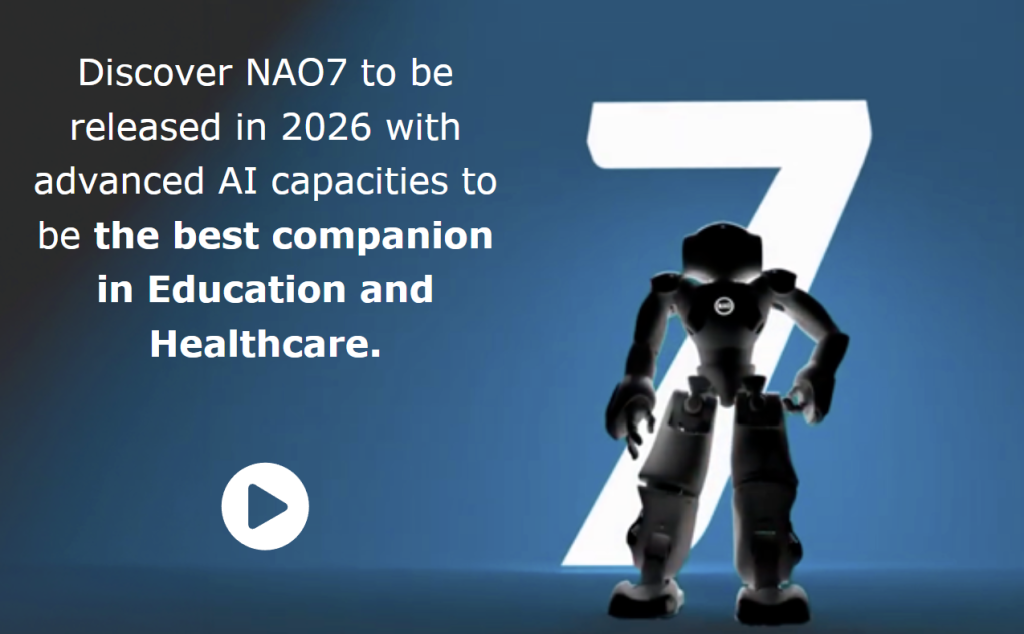
A French court ordered its shuttering in June 2025 due to continued financial losses and a failure to find a buyer. A reported 106 employees were laid off.
The company bid farewell, sharing a minute and a half look back at its 20-year run. As the company notes in the video’s conclusion: “In every ending, there is a new beginning.”

Jérôme Monceaux, who co-created Nao and Pepper, founded Enchanted Tools in Paris in 2021 to blend animated characters with functional robots. The startup secured the largest seed funding in French robotics history in 2023. Its flagship humanoid, Miroki, is a mobile robot designed for use in hospitality, healthcare, and retail sectors.
Founder Maisonnier established Another Brain in 2017, aiming to develop a novel form of artificial intelligence called Organic AI. He also founded Beta TAURI, a holding company that invests in tech startups.
In the wake of the liquidation, universities and research organizations are navigating significant challenges maintaining their NAO and Pepper units.
The shutdown is the latest to highlight the vulnerabilities of proprietary, cloud-dependent robotic systems. There’s a growing movement toward open-source platforms to ensure longevity, adaptability, and user control.
Bordeaux-based Pollen Robotics, for example, was recently acquired by Hugging Face to democratize robotics with the firm’s Reachy 2 humanoid. The highly influential artificial intelligence company also recently unveiled its collaboration with The Robot Studio that brings the entry price into humanoid robotics to an all-time low.