Robot Ducks, Crabs, and Humanoids: The Open-Source Robotics Boom
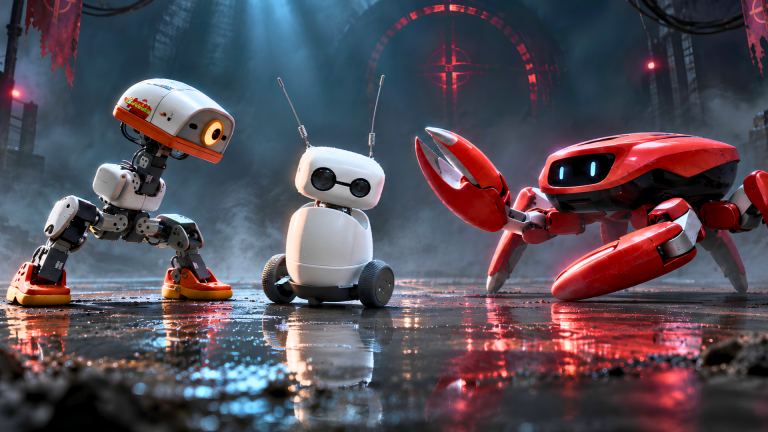
A $400 duck is selling like crazy as Chinese robotic crabs scuttle into the mainstream and a wave of relatively low-cost humanoids shakes up the robotics sector.

France is a global leader in science and tech, home to AI hubs like Station F and Sophia Antipolis, top robotics research, and strong national programs boosting innovation and startups.
A $400 duck is selling like crazy as Chinese robotic crabs scuttle into the mainstream and a wave of relatively low-cost humanoids shakes up the robotics sector.

Hugging Face reported more than 10,000 Microduck preorders in the first week, which amounts to over $4 million in revenue. The launch was unusually strong by consumer robot standards.

The French startup UMA just unveiled its flagship humanoid robot worker just nine months after its founding.

The humanoid robotics boom shows no signs of slowing down heading into the summer. Amid the frenzy, robotics firms are going to opposite extremes to stand out.

The French startup Genesis AI just unveiled its newly upgraded robot brain called GENE-26.5, calling it a major step toward general-purpose robotics.

China’s top industrial humanoid robot is heading into Europe’s aerospace sector.

A wave of new European startups is racing into the humanoid boom, facing an uphill battle going against US and Chinese firms with deeper funding, stronger supply chains, and far fewer regulatory hurdles.

The barrier to AI-powered humanoid robotics just reached a new low.

Renault Group, one of Europe’s largest automotive manufacturers, recently invested in Paris-based startup Wandercraft to bring a new class of humanoid robots into its factories.

Aldebaran Robotics built the future, as envisioned today, before most even tried. It still wasn’t enough.

One of the most influential companies in artificial intelligence just took a big step toward bringing robotics to the masses.