
The French startup UMA just unveiled its flagship humanoid robot worker just nine months after its founding.
The Paris-based robotics firm says the bipedal AI robot, Northstar, is the first iteration of its flagship general-purpose humanoid. The startup introduced the prototype in a video shown during the Machina Summit in Paris.
UMA, which stands for Universal Mechanical Assistant, is led by Remi Cadène, who served as a scientist for Tesla’s Optimus program until 2024, when he founded the open-source LeRobot at Hugging Face. He launched the startup in late 2025 with LeRobot cofounder Simon Alibert, former Google DeepMind researcher Pierre Sermanet, and Rob Knight, a veteran humanoid robot designer from the UK.
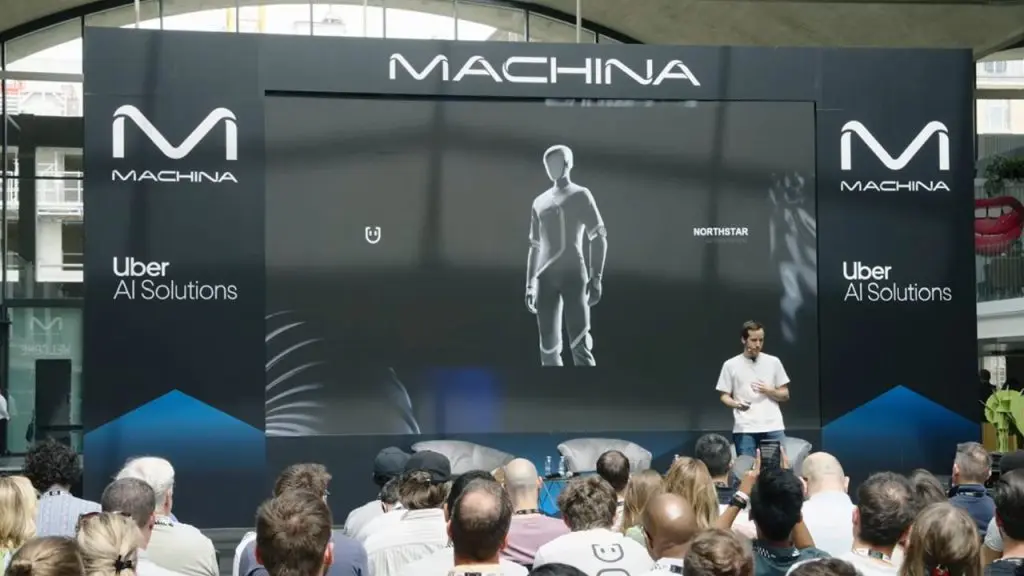
During his keynote presentation at Machina, Cadène said UMA’s AI controls robots directly from what they see through its self-developed world model. He also emphasized that the AI learns in real-time and adapts through trial and error similar to how humans learn physical tasks.
“No preprogrammed trajectories, no hardcoded rules that tell it where to go or what to pick next,” he said. “It can operate for hours robustly with precision adapt to what it sees.”
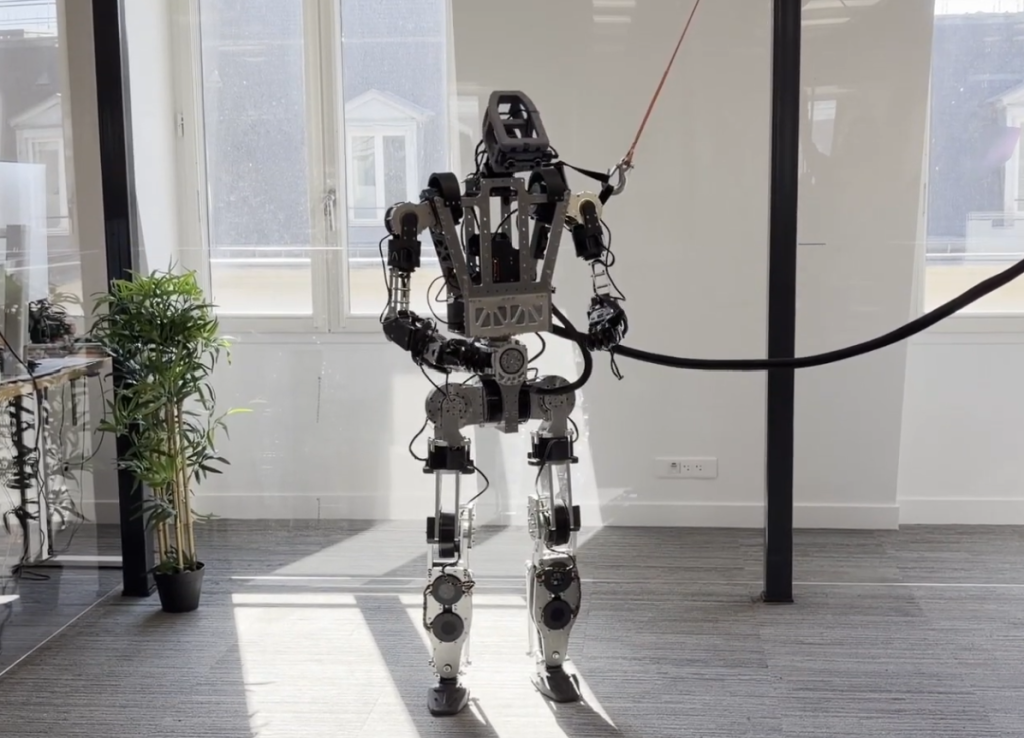
Backed by $40 million in seed funding, they’re developing the lightweight humanoid for tasks in warehouses, factories, and eventually households. The startup is targeting first pilots in Europe later in 2026 with a robots-as-a-service pricing model. Cadène said UMA is starting in Europe because of labor shortages and automation demand are especially strong there. Plans call to later expand into North American and Asian markets.
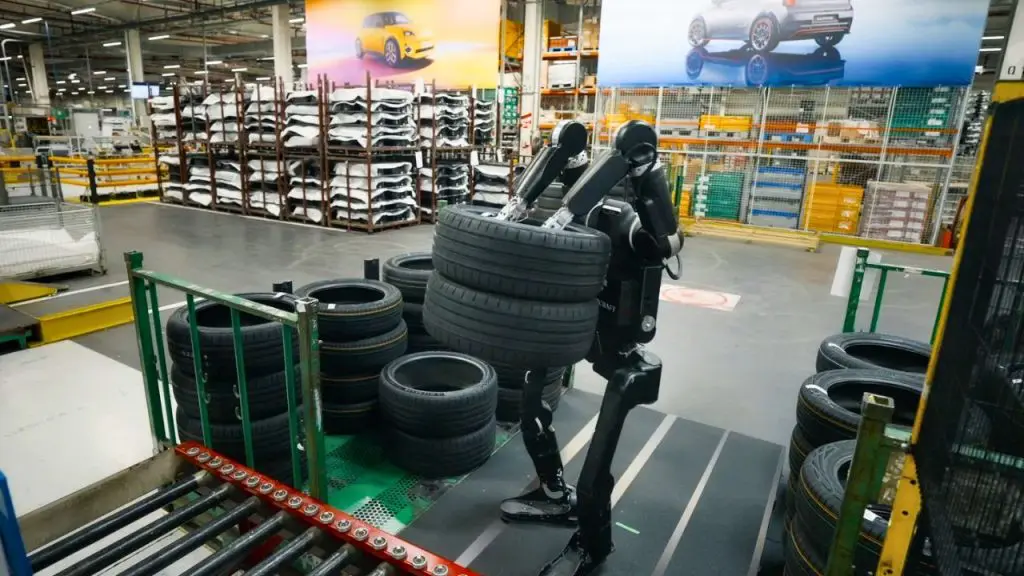
Another French robotics firm, Wandercraft, recently introduced the next-generation iteration of its headless industrial humanoid, Calvin 40. The startup, which is mostly known for its AI-powered exoskeletons, is developing the robot in collaboration with the French automaker Renault Group. They plan to place about 10 of the robots in Renault’s plants in France and Spain in 2026 and expand to 350 robots across European factories by the end of 2027.