
A buzzy Chinese robotics start up just released a massive dataset that could accelerate the large-scale deployment of autonomous humanoid robots.
Shanghai-based AgiBot, which recently started mass producing humanoids, calls it the largest humanoid manipulation dataset. AgiBot is seeking what it calls an “ImageNet moment” for embodied AI.
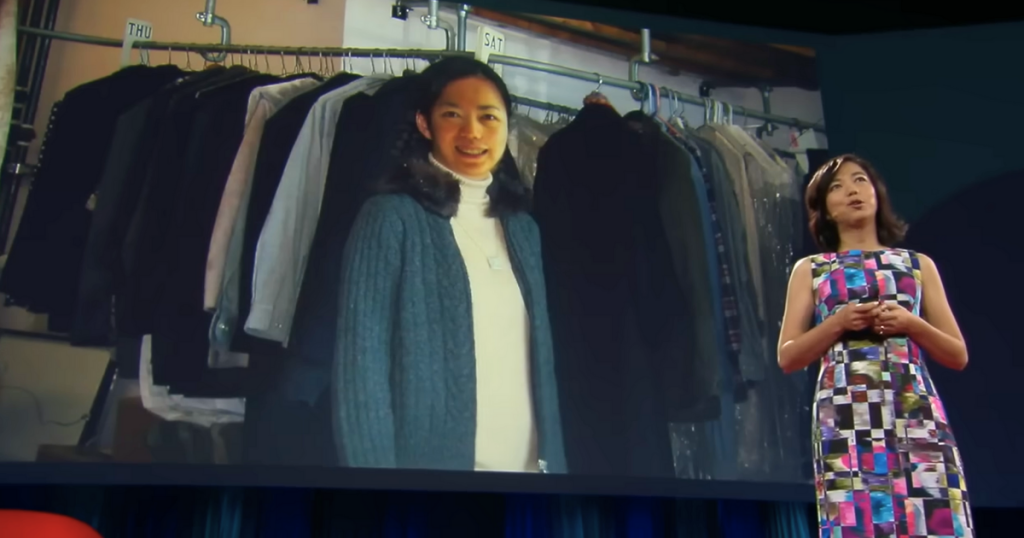
ImageNet is a collection of more than 14 million labeled images created to teach computers how to recognize objects in pictures. Fei-Fei Li, often called the Godmother of Artificial Intelligence, created the dataset in 2007. It manifested into an annual competition at Stanford University called the ImageNet Large Scale Visual Recognition Challenge.
“ImageNet moment” is in reference to a 2012 breakthrough by a team from the University of Toronto. The team created an AI system called Alex Net that performed significantly higher than traditional image recognition methods.
The innovation was thanks to a deep learning system with multiple layers to process and learn from images and cutting-edge GPU computing. The watershed moment signaled that deep learning was the future of AI and led to the widescale adoption of neural networks across industries.
AgiBot’s dataset, called AgiBot World, offers over 1 million robot action trajectories from 100 robots in real-life situations. The data is from a large data collection facility and experimental base built by AgiBot, which is also known as ZhiYuan Robotics.

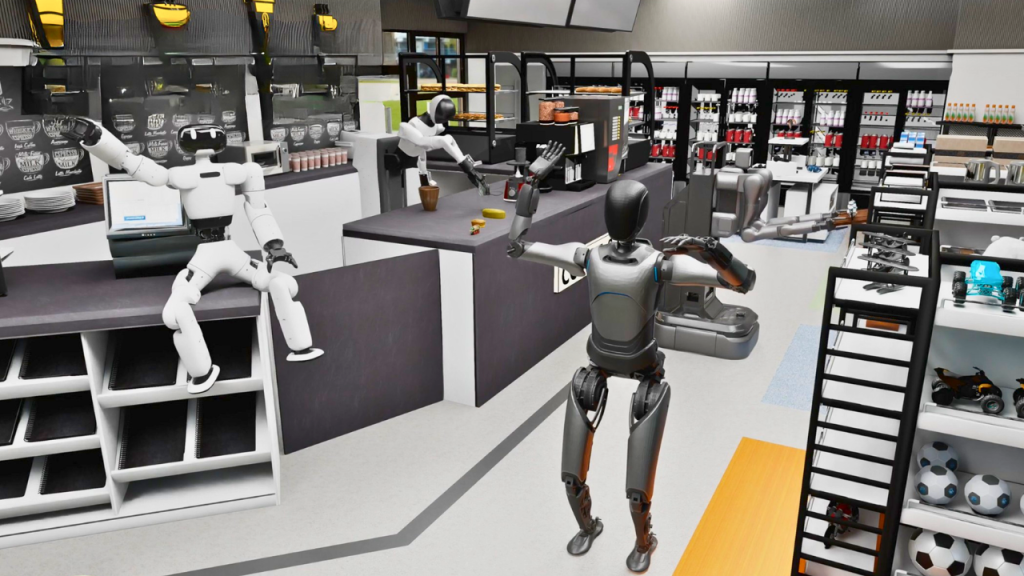
The facility covers more than 4,000 square meters and contains more than 3,000 real objects. It replicates household, industrial, supermarket, and office settings. The robots operate within the facility, performing tasks like doing laundry, cooking, grocery shopping, warehouse sorting, and a wide variety of household chores.
AgiBot invited China’s state video news agency into its manufacturing and training headquarters. In 2025, AgiBot says it plans to release more than a million real-world trajectories, 10 million digital twin simulation data points, comprehensive toolkits, and an embodied foundational model.
AgiBot World was created in collaboration with OpenDriveLab, a research initiative focused on robotics and autonomous driving technologies that’s associated with the University of Hong Kong and the Shanghai AI Lab.
The dataset is available for non-commercial use at Github and Hugging Face. Any effort to profit from a trained robot using the data would require additional approval or licensing.
The Beijing Embodied Artificial Intelligence Robotics Innovation Center, also known as X-Humanoid, is also showcasing its data collection facility. The center, which receives support from both Beijing and the central government, shared footage of its Embodied Intelligence Data Collection Base. X-Humanoid says the 2,000 square-meter data collection training base fuels a high-density dataset with more than a million entries that will be open to the industry.

The innovation center recently open-sourced its flagship, Tiangong, which it calls the world’s first full-sized, fully electric humanoid robot that can run.Tiangong maintains a steady pace of 6 kilometers per hour and navigates diverse and sloped terrains.
Meanwhile, AgiBot says it’s produced nearly 1,000 humanoid robots in 2024.The startup, founded in February 2023, calls its facility the first factory for mass producing humanoid robots in Shanghai. AgiBot is backed by the likes of BYD, SAIC Motor and BAIC, valued at nearly $1 billion.
It’s positioning its flagship humanoid robot, the A2, as a direct competitor to Tesla’s Optimus. The company aims to produce humanoids at a large enough scale to undercut the Tesla Bot when it’s available. Elon Musk has said the robot could eventually cost around $20K thousand dollars.
AgiBot also offers the A2-W, which is a wheeled robot that carries up to 5 kilos in each arm in industrial settings.
Another Chinese robotics startup on the rise, RobotEra, just introduced an AI model focused on hand-based dexterity and precision. The company calls its ERA-42 model ideal for training five-fingered robotic hands for tasks requiring highly detailed manual operations in assembly, service, and healthcare.
Also, leading Chinese robotics firm Unitree says it’s updated its H1 and G1 humanoid robots with an open-source, full-body dataset. Unitree says they used motion capture data to make their movements look more natural and smooth.