
By 2030, experts predict that robots will perform more than 3 million surgeries on humans each year. That’s nearly double today’s number.
In the coming years, robots are expected to take over the majority of soft-tissue surgeries like prostate removal, hernia repair, and gynecologic procedures, especially as hospitals seek safer, less invasive options for patients. There are also surgeries that are too precise, too small, or too complex for humans to perform, so the rise of surgical robots could unlock treatments that aren’t available today.
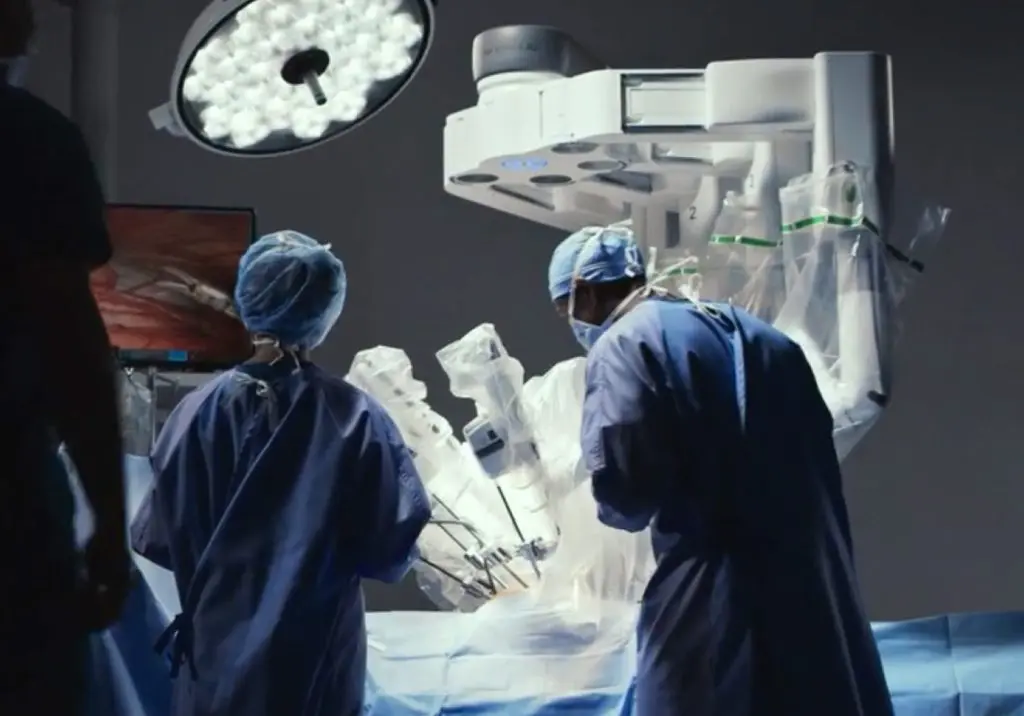
For more than a quarter of a century, one player has dominated the surgical robotics market. The Da Vinci robotic system by Intuitive Surgical has grown iconic, with strong brand recognition extending from surgeons to patients.
For years, high costs, strict regulations, and the need for surgeon training made it easy to shoo away competitors. Those days appear to be numbered.
For the first time, Intuitive faces what analysts call a legitimate threat, not from some scrappy startup but from a global medical giant with deep OR experience, vast hospital connections, and a surgical robot designed to disrupt.
Medtronic developed Hugo specifically to challenge Intuitive Surgical’s long-running dominance in robotic surgery systems.
The $100 billion global medical technology giant, founded in 1949, is known for its life-saving devices like pacemakers, insulin pumps, and surgical tools. This is Medtronic’s first major foray into robotics.
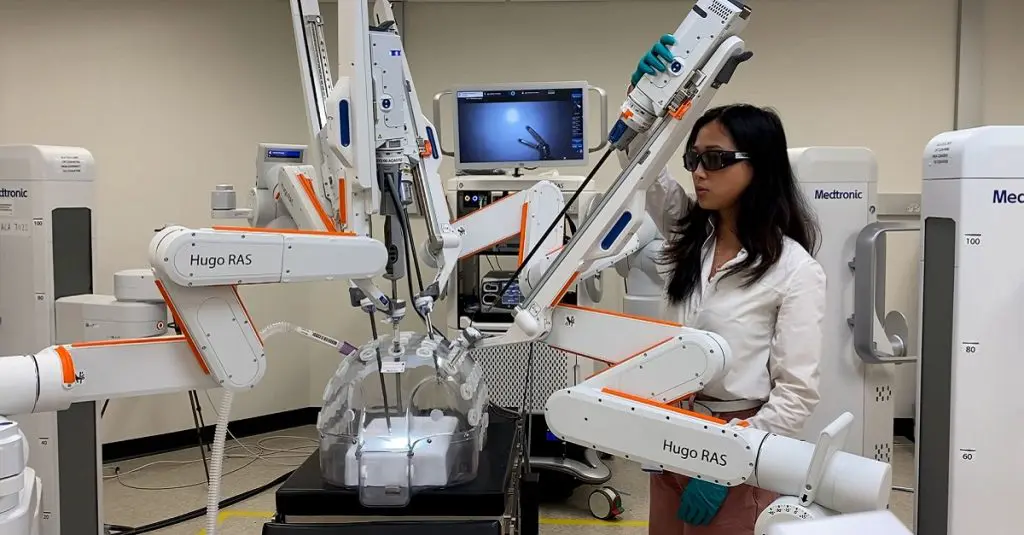
According to reports, the company started working on a new robot system around 2015. Their aim was to build an AI-powered surgery system more affordable and flexible than the iconic Da Vinci platform.
Medtronic, which is headquartered in Dublin and Minneapolis, describes Hugo as a next-generation modular platform to expand access to minimally invasive procedures. Its focus is urology, which is one of the most important and common specialties for the Da Vinci surgical system.
The demand for robotics in the field is expected to increase substantially as annual prostate cancer cases are projected to double, rising from 1.4 million in 2020 to nearly 3 million by 2040. The surge is primarily anticipated in low-and-middle income countries due to aging populations and limited access to early detection and treatment. In the United States, prostate cancer is the second most common cancer among men.

Silicon Valley-based Intuitive started developing the Da Vinci system in the mid-90s when the oldest Baby Boomers started turning 50, an age when the risk for prostate cancer rises sharply. When the company introduced the platform in March 2000, urologists were seeing more older male patients in need of prostate surgery.
It was the first system of its kind to win approval from US regulators. The Food and Drug Administration (FDA) first approved of its use for general minimally invasive surgery, but the technology really took off after it secured additional approval for urologic surgeries in July 2000.
Urologists adopted the system because it was less invasive than the status quo, which involved making a large cut in the lower belly. It reduced hospital stays on average from 4 to 5 days to 1 or 2, cut blood loss by up to 80 percent, and lowered the risk for complications. By 2004, the Da Vinci system was used in more than 10,000 prostate surgeries in the United States.
In the following years, surgeons started using Da Vinci for other urology procedures like kidney removals, bladder surgery, and kidney-sparing surgery. By the 2010s, Da Vinci was the gold standard in urologic surgery, and more than 70 percent of prostate surgeries were done robotically.
Today more than 80 percent of prostatectomies in the US are done with a robot, mostly with Da Vinci systems. The system helps surgeons work in tight spaces with greater control and less shaking than their own hands.
The platform helps doctors perform surgery through tiny incisions instead of large cuts. The operator sits at a control station, using hand controls to move robotic arms that hold small tools and a camera. The camera delivers a close-up, 3D view inside the body, where the robot copies the doctor’s hand movements very carefully.
The Medtronic Hugo system works like Da Vinci, but with some differences the company says make it more flexible and user friendly. Instead of one big machine, Hugo consists of four separate robotic arms that can be moved around the operating room to fit each surgery. It’s operated from an open console, so surgeons can sit up and still see and talk to the rest of the team.
The Hugo robot costs around $1.2 million to $1.5 million, with a cost per surgery around $1,000. Medtronic touts a study comparing the two systems that found that Hugo reduced direct hospital costs by 11 percent for radical prostatectomy procedures.
Hugo features Medtronic’s AI-powered Touch Surgery video management and analytics platform. The software simplifies the recording, analysis, and sharing of surgical videos so doctors can refine their techniques and improve patient outcomes.

Touch Surgery automatically blurs faces and protects sensitive information to ensure data privacy compliance. It automatically segments surgical videos into key procedural steps and benchmarks procedures against a bank of historical cases. The platform also allows for secure live streaming of procedures for immersive virtual learning.
While Hugo is considered the first truly credible large-scale competitor to Da Vinci, smaller systems have gained traction.
UK-based CMR Surgical’s Versius has been used in more than 30,000 surgical procedures in over 30 countries, which makes it the second most popular soft tissue surgical robot worldwide. The company recently raised more than $200 million to accelerate growth, while the robotic system secured FDA approval to assist in gall bladder removal procedures.
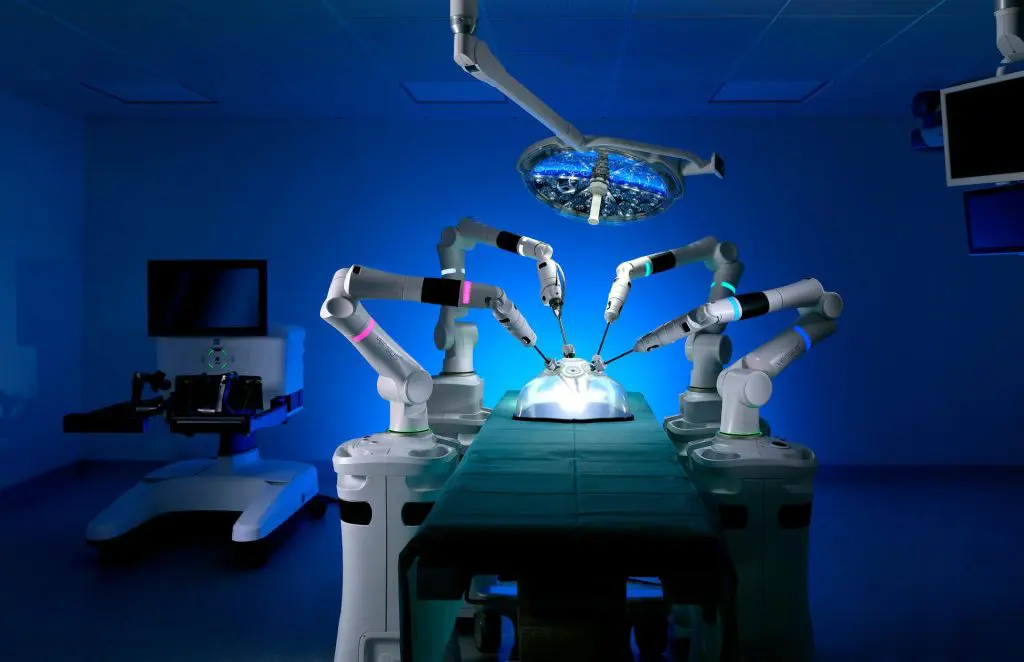
Several Chinese firms are also developing surgical robots that are emerging as credible alternatives to the Da Vinci system. Systems by Suzhou-based KangDuo Surgical Robot, for example, have been used for complex surgeries including prostate, kidney, and bladder removals. The reported costs are between 25 to 30 percent less than Da Vinci with comparable outcomes and safety.
While smaller systems can flourish, Hugo is the first competing system from a major medical company with vast distribution networks.
Medtronic and other competitors have a large hill to climb chipping away at DaVinci’s market share. More than 10,000 of the robotic systems are already installed worldwide, and tens of thousands of surgeons are already trained on it. Intuitive also has large-scale global service teams, remote monitoring, and dedicated reps for fast and consistent support.
Medtronic just submitted the Hugo system for FDA approval in the US after completing its expanded clinical trial. A decision by the FDA is expected in the second half of 2025. The Hugo robotic system has been tested in clinical settings in over 25 countries, including Chile, where the first patient procedure was performed, Belgium, Germany, Spain, and South Korea.