The Biggest Urban Legends in Humanoid Robotics

The humanoid robotics sector has its own urban legends that rarely get debunked. The companies building the robots have little incentive to pushback on them so I will.

A robot hand is a mechanical device designed to replicate the movement and functionality of a human hand, often used in robotics for grasping, manipulation, and tactile sensing. It typically includes multiple fingers, joints, and sensors that allow for precise motion control and feedback. Robot hands are used in manufacturing, healthcare, prosthetics, and humanoid robotics, where advancements in materials and AI-driven control systems continue to improve dexterity and human-like performance.
The humanoid robotics sector has its own urban legends that rarely get debunked. The companies building the robots have little incentive to pushback on them so I will.

Many of today’s robotics leaders grew up inspired by The Terminator, but the next generation grew up with a very different and softer vision of the future: Baymax.

The new Chinese startup Arkshel Robotics just introduced what it calls the world’s first flying transformable humanoid robot.

There are easily dozens of companies today working toward robots that are barely distinguishable from real people. Almost all of them are in China.

Dairy Queen is teaming up with the fast-rising startup Sharpa Robotics to automate ice cream service, starting with its quickest growing market in China.

Humanoid robots are moving into some of the toughest industrial jobs in the world. The industry is compressing years of development into months as investors throw billions into physical AI.

Humanoid robots performing surgery, handling delicate objects, and showing off hands that look humanlike on the surface and alien the closer you examine. The claims surrounding them are even bigger. But the reality behind them is more complicated.

The humanoid robotics boom shows no signs of slowing down heading into the summer. Amid the frenzy, robotics firms are going to opposite extremes to stand out.

The Matrix-3 is covered in 3D woven biomimetic skin with embedded tactile sensors that’s sensitive to pressures as light as a gentle fingertip touch.

Beijing’s Galbot just reached a new level of global visibility thanks to a viral visit to one of its futuristic storefronts during Trump’s summit with President Xi.
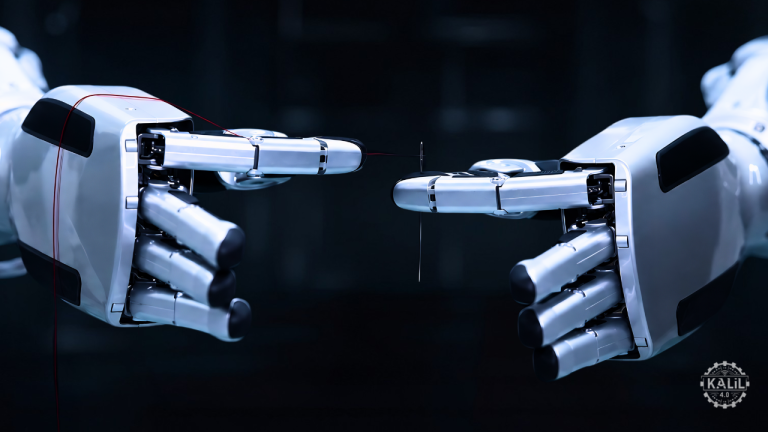
Across five factories in China, a startup that’s only a few years old is manufacturing around 5,000 dexterous robotic hands per month.