Why Is Tesla Mass-Producing Optimus Robots That Aren’t Ready for the Real World?
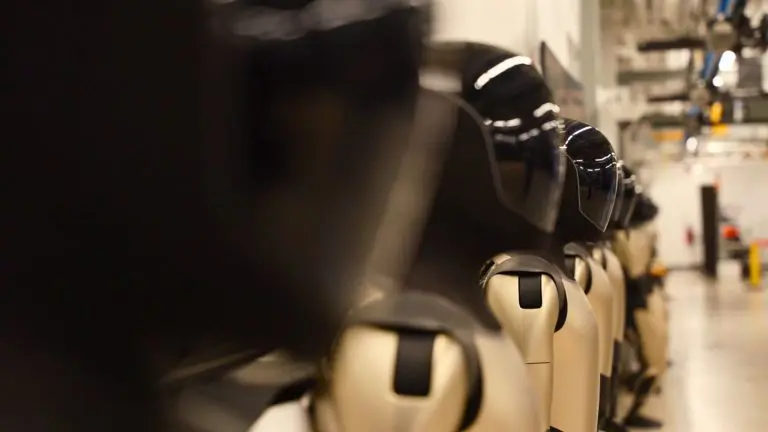
Heading into 2027, Tesla says it’s finally scaling production of Optimus. It’s going to unprecedented lengths to prepare an army of Optimi for the real world.
Reinforcement learning is a branch of machine learning where an artificial agent learns to make decisions by interacting with its environment and receiving feedback in the form of rewards or penalties. Over time, the agent optimizes its actions to maximize long-term rewards, similar to how humans learn through trial and error. This approach is widely used in robotics, autonomous systems, and game AI to develop adaptive behaviors, control policies, and decision-making strategies in complex, dynamic environments.
Heading into 2027, Tesla says it’s finally scaling production of Optimus. It’s going to unprecedented lengths to prepare an army of Optimi for the real world.
Hugging Face reported more than 10,000 Microduck preorders in the first week, which amounts to over $4 million in revenue. The launch was unusually strong by consumer robot standards.
Chinese researchers just introduced a brutal new framework for preparing AI-powered humanoid robots for the harsh realities of the world.
South Korea’s ROBOTIS says it taught its open-source humanoid robot to dance like a K-Pop star using just smartphone footage.
Tesla’s Optimus just made its red-carpet debut as Elon Musk aggressively pushes to populate the world with humanoid robots.
The race toward last-mile automation is apparently back on.
A Chinese humanoid robot rallied 106 consecutive ping pong shots against a real person.
Renault Group, one of Europe’s largest automotive manufacturers, recently invested in Paris-based startup Wandercraft to bring a new class of humanoid robots into its factories.
Robotics firms are locked in a price war as they undercut each other in hopes of capturing early market share.
Tesla says its flagship humanoid robot is learning more like a real human every day.
As companies worldwide spend billions to bring robotics into daily life, they’re leaning heavily a training system called Sim2Real that bridges digital and physical worlds.