
For more than five years, Elon Musk has been setting the bar almost impossibly high for Tesla’s Optimus humanoid robot.
The world’s richest man touched off a global race toward humanlike machines that barely anyone saw coming when he introduced the Tesla Bot concept with a dancing cosplayer in lieu of a working prototype. Today, however, Optimus is nowhere near as advanced or as ubiquitous as Musk predicted, and countless competitors are challenging the assumption about Tesla dominating the market.
Heading into 2027, Tesla says it’s finally scaling production of Optimus. It’s going to unprecedented lengths to prepare an army of Optimi for the real world as Musk bets the company’s future of on them.
Can Tesla overcome its engineering challenges and bring billions of humanoids into daily life? Or is Musk’s vision too many years ahead of what technology can realistically deliver?
Mass Production Begins
During Tesla’s Q3 2026 earnings call, Musk said early production of Optimus has begun on a high-volume manufacturing line a the EV maker’s Fremont, CA factory.
Tesla spent the summer converting factory space previously used for its Model S and X lines. The production line is designed to support 1 million robots annually, though the manufacturer is nowhere near that volume today. The target would require about 20,000 humanoids to walk off assembly lines every day.
“I would expect that it takes us at least a year, maybe a little longer, to get to that annualized rate, to get to 20,000 units a week,” Musk said.
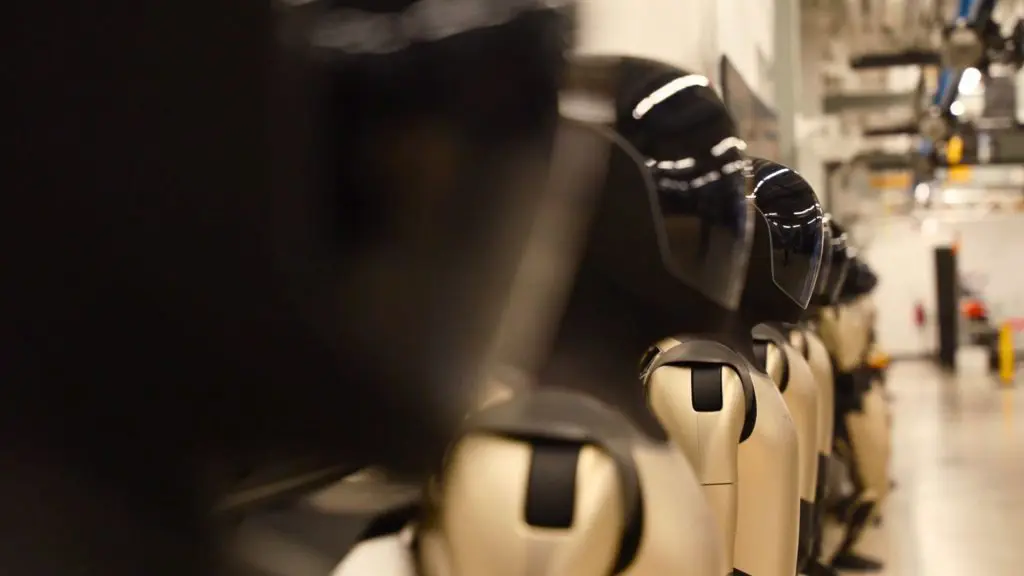
Construction has begun on a second Optimus Factory in Austin to manufacture the robots at a much larger scale. That facility has a planned annual capacity of 10 million robots.
Tesla describes the robots being manufactured as the first production-quality Optimus units, which means they’re built using manufacturing processes intended for eventual commercial production. The Optimus design, however, is still being refined.
“You know, there’s still parts of the design that are changing,” Musk said. “I would expect that the AI, electromechanical design, and the reliability and the usage life of the robot, I expect these issues to be solved around the end of next year. So that’s when to expect when we’re delivering Optimus to companies outside of Tesla.”
The strategy could accelerate development, but it also means humanoids built today could require significant upgrades before they can perform meaningful work. Musk stressed that Tesla must deliver machines that are safe, dependable, and capable of operating for long stretches without breaking down.
Chinese Supply Chain
Tesla is developing Optimus humanoid with help from a growing network of suppliers, many based in China.
One of the strongest connections is Tuopu Group, an automotive parts manufacturer founded in 1983 and headquartered in Ningbo in China’s Zhejiang Province. The company has supplied Tesla with chassis, thermal management, and vehicle interior and exterior components for about a decade.
In September 2026, the Chinese financial news outlet Yicai reported that Tuopu confirmed working with Tesla on linear, rotary, and dexterous hand actuators. The representative also said Tesla engineers regularly visit the Ningbo factory to work on automotive and robotics projects.
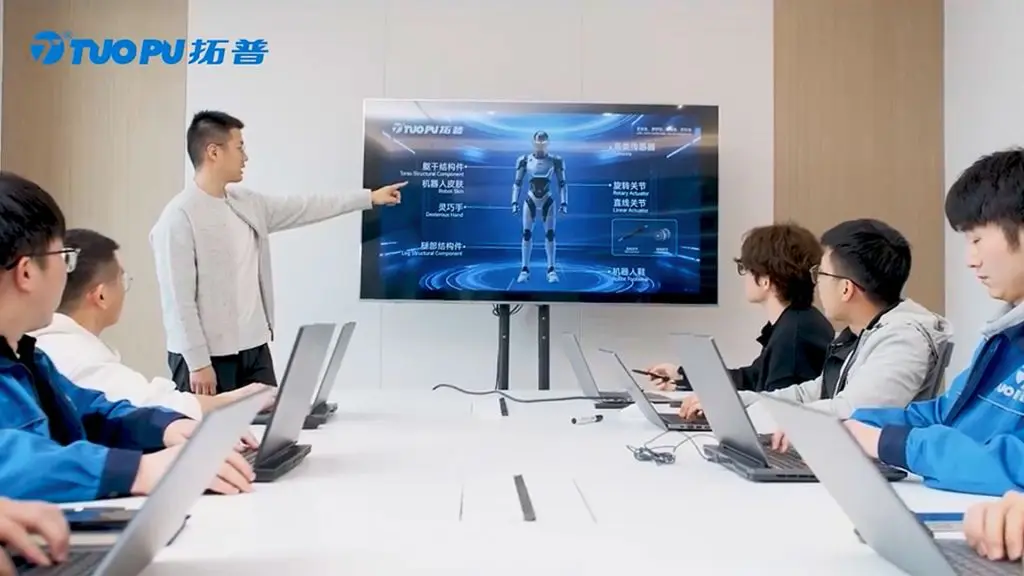
Another strong possibility in Sanhua Intelligent Controls, a Shaoxing-based company founded in 1994 known for manufacturing temperature and fluid control systems for vehicles, air conditions, and industrial equipment. The company expanded into robotic actuators by 2023, which is when the Chinese government set a national goal to mass produce humanoids by 2025 and to lead the market by 2027.
Sanhua makes two main types of actuators for humanoids: linear and rotary. Linear actuators generate pushing and pulling movements that help robots bend their legs and lift objects. Rotary actuators power turning movements in shoulders, elbows, hips, and wrists.
The South China Morning Post named Sanhua among those being evaluated for the Optimus project in September, citing two executives familiar with the suppliers. The Chinese digital news outlet The Paper went further, reporting through an unidentified industry source that that it has already received robot related orders related to the Optimus program.
Another frequently mentioned possibility is Ningbo-based Joyson Electronics, which has been making automotive electronics and safety systems since 2004.
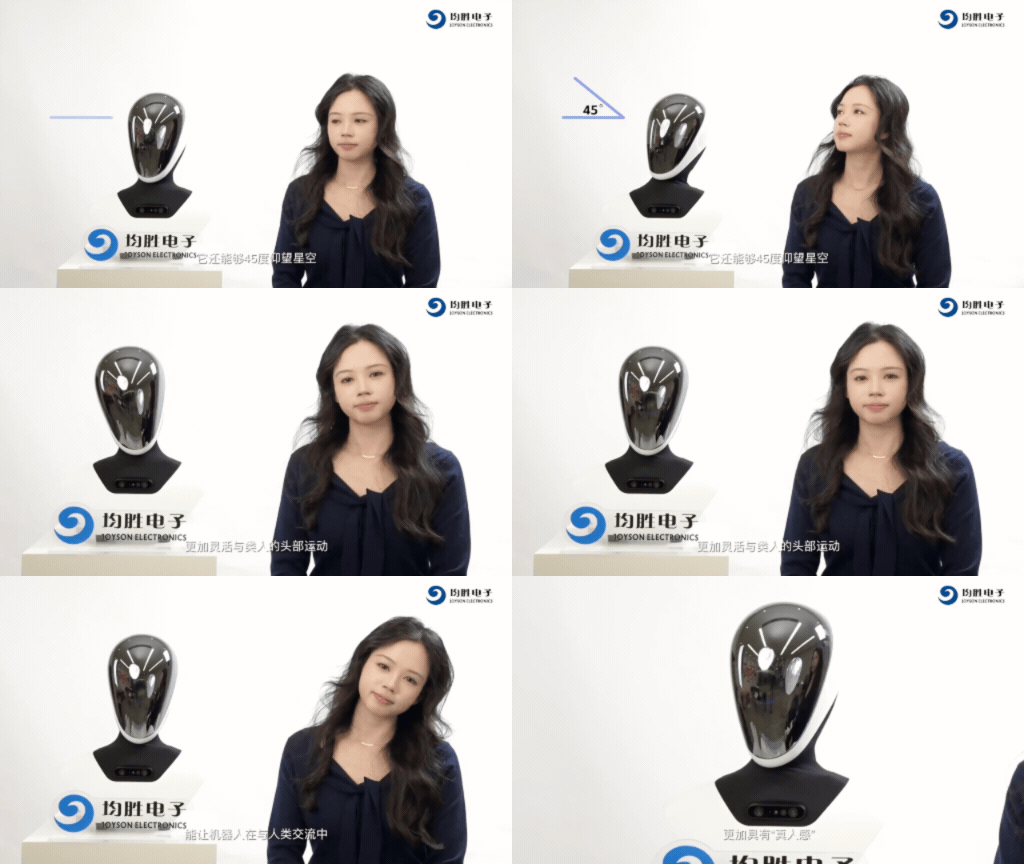
The company has developed a complete AI-powered humanoid robot head assembly in collaboration with the Shanghai startup Agibot, which has shipped the most humanoids so far in 2026. The head has cameras for vision, microphones for hearing, a flexible display, and motors for humanlike motions. The latest head assembly, unveiled in July 2026, has improved movements, more natural emotional expressions, and a modular design that can be customized for different brands. Joysonsays the new version is for rapid mass production, though it hasn’t said how many units have been sold.
However, if Joyson is a supplier, it’s more likely developing electronic controllers to coordinate the robot’s arms, legs, and hands using sensor data or components for robotic hands, tactile sensors, and battery management.
Other potential Chinese suppliers mentioned in reporting include:
- Zhejiang Rongtai (Jiaxing), which makes linear actuators and transmission components used for robotics,
- Xinquan (Changzhou), an auto parts maker that builds structural components that could be used for Optimus,
- Siling Zhiqu (Shaoxing), a manufacturer of precision gears and bearings reportedly linked to Tesla’s robotics supply chain,
- Xinjian Transmission (Hangzhou), which makes planetary screws used by humanoids,
- Beite Technology (Shanghai), which is developing roller-screw systems that could help power the Tesla Bot’s joints,
- and Wuzhou Xinchun (Shaoxing), which makes planetary roller screws and bearings for humanoids.
Optimus Academy
Instead of going to customers, the first 10,000 to 20,000 Optimus humanoids are headed to Tesla’s so-called Optimus Academy to learn tasks through repeated practice and to collect data to improve their artificial intelligence. Musk compared the training to how toddlers learn how the world works.
“The big difference with Optimus versus the cars is we don’t have this vast fleet of (robots) from which we can gather training data,” Musk said during the Q3 earnings call. “So, with Optimus, we have to bootstrap it by making the robots and having them do self-play, which is really how a human learns to navigate the world.”
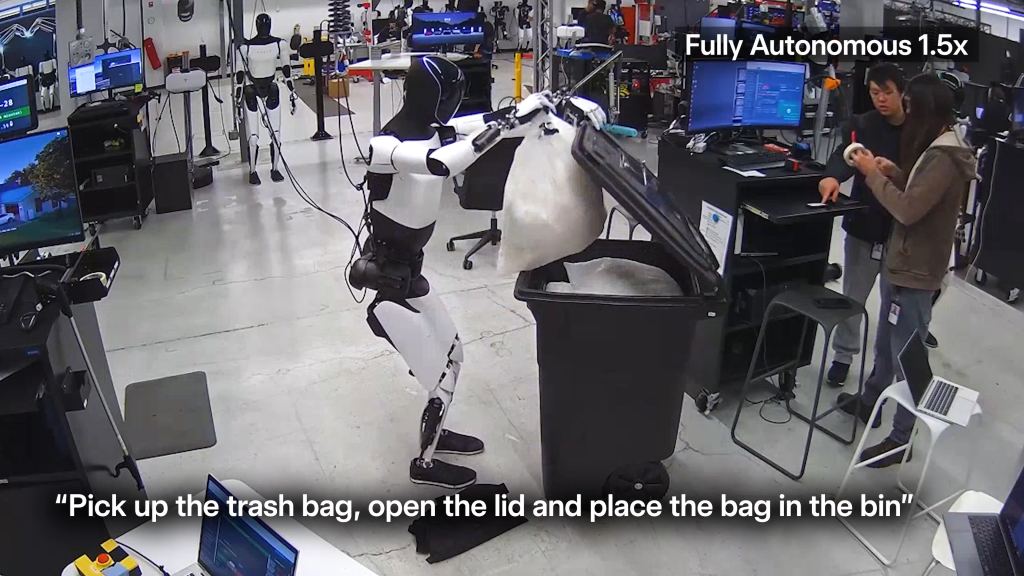
The robots will initially learn by observing humans performing tasks through teleoperation or video recordings. They then practice the steps themselves in computer simulations and physical reality.
The Optimus Academy follows a model that’s been in place since at least early 2025 in China. With significant government subsidies, Chinese firms have opened more than 70 robot training centers with over 40 more under construction or planned. The largest ones have hundreds of robots, not thousands. Similar systems are also being used by Western firms like Germany’s NEURA Robotics, which is building a global network of facilities called NEURA Gyms.
Tesla would likely run the world’s largest centralized humanoid training program if it achieves even the low end of its target. Whether it will actually prepare the Optimus robots to be useful at work and home is an open question. There’s no industry consensus on how to best teach a robot to become generally autonomous enough for the real world.
One of Tesla’s biggest US competitors, the Silicon Valley startup Figure AI, is prioritizing pretraining data captured from gig workers all over the world who record themselves doing everyday chores with head-mounted cameras. During an all-hands meeting posted online, Figure founder Brett Adcock said the company has collected over 37 million videos from more than 210,000 people across 12 countries to train its Helix AI model.
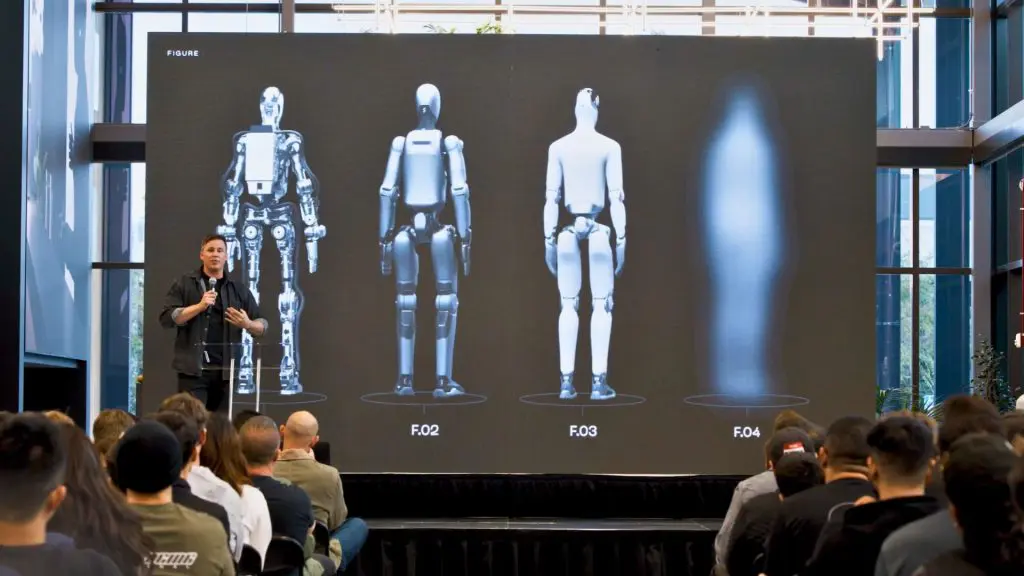
“We want really diverse … data of humans moving through the world doing everyday things so we can use it to help predict physics and understanding of how to move through the world,” Adcock said.
The robotics firm is designing its next-generation Figure 04 robots’ hands to closely match the human movements so it’s easier to transfer the skills. Adcock reported that Figure spent more than $8 million on data collection in a single week and plans to invest billions more in training.
Commercial Launch Delays
Tesla plans to begin selling and delivering Optimus humanoids by late 2027 with a targeted entry price around $20,000. However, Musk has repeatedly pushed back targets for Optimus since revealing Tesla’s humanoid ambitions in 2021.
A year later, he suggested the Tesla Bot could be ready for production as early as 2023. But that hadn’t happened by 2024, when he predicted that Optimus would perform useful work in Tesla factories by the end of that year and that commercial sales could potentially start in late 2025. However, in January 2026, Musk admitted that Optimus was still in research and development and that no robots were doing meaningful work at Tesla facilities, though some prototypes could be seen serving popcorn at the Tesla Diner in Hollywood and handing out treats the prior Halloween in Times Square.
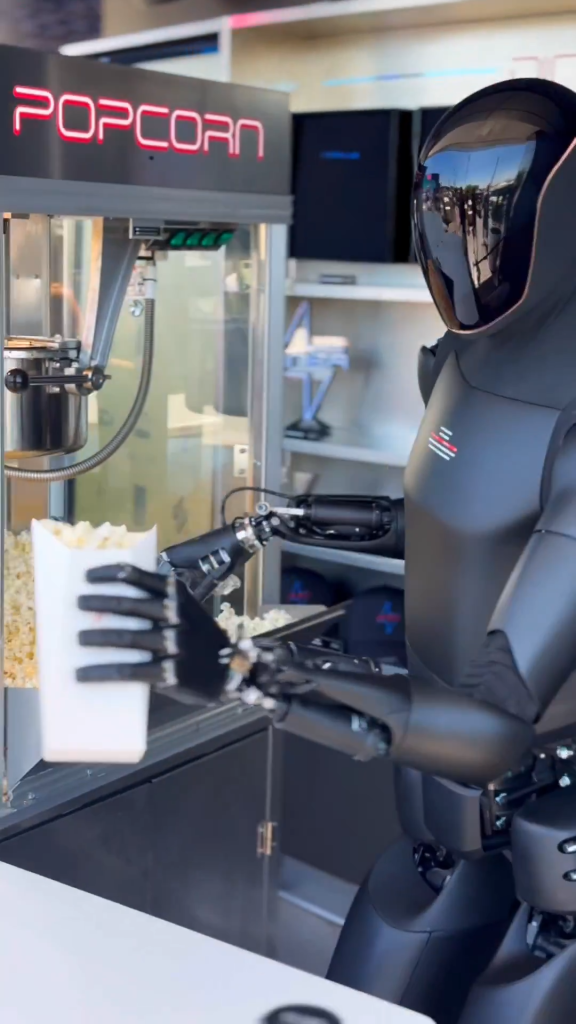
Musk has repeatedly identified Optimus’ hands and forearms as the biggest engineering challenges delaying a commercial release.
“It’s a hard problem because, you know, humans have self-repair like our you know our hands repair our body repairs itself but robots don’t,” he said. “Our fingers are kind of squishy and have lots of sensors in our skin. It’s hard to make a make a hand that is that can handle lots of wear and tear, but is still squishy enough to pick up delicate objects, and has all the sensors and doesn’t damage the sensors when you do repeated actions.”
Gen 3 Optimus Hand
The latest publicly reported specs of the Gen 3 Optimus hand included 22 degrees of freedom (DoF) and tactile sensors for precise gripping. Earlier versions used forearm mounted motors and tendon-like cables to move the fingers, but Tesla has reportedly since redesigned the mechanism.
A patent application published in October 2026 suggests Tesla is pursuing flexible tactile sensors that can be printed onto thin plastic sheets and then molded around robotic fingers and palms. As described, the sensors detect pressure by measuring electrical changes when the material is compressed. The printable tactile sensors are similar to existing electronic skin or e-skin technology that uses flexible materials and conductive circuits to give robotic end effectors a sense of touch. What differentiates Tesla’s approach is the proposed manufacturing process which involves printing the sensors onto flat sheets.
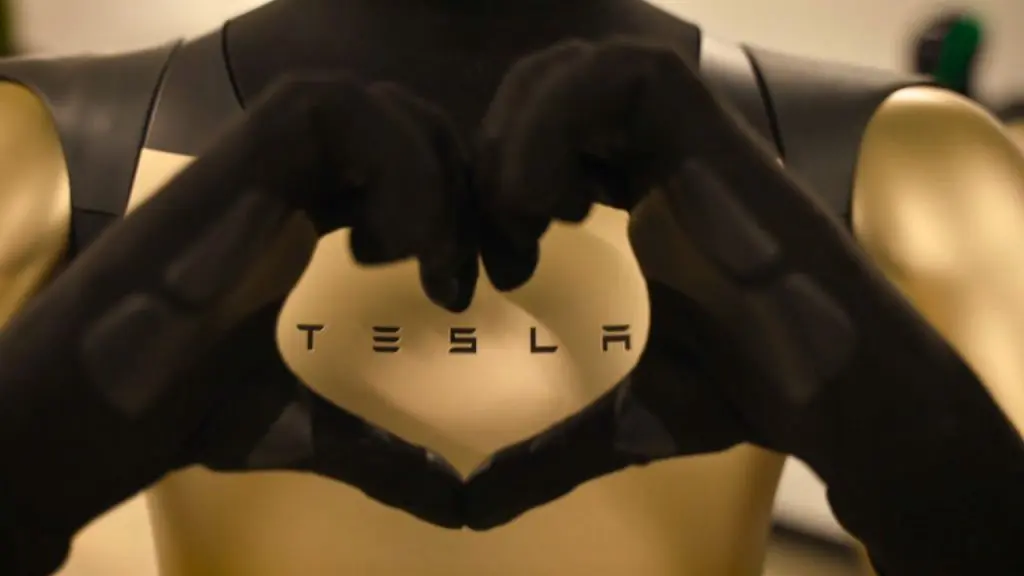
There are easily dozens of companies worldwide developing highly dexterous robotic hands using everything from tendon-driven systems and direct drive motors to water-powered artificial muscles to replicate human movement. However, no one has yet demonstrated widespread reliable commercialization at scale and they remain quite expensive, especially by consumer standards.
While Musk considers humanlike five-fingered dexterity a non-negotiable, other humanoid companies are opting for simpler, more affordable grippers that can perform many of the tasks expected of a mechanical helper without the engineering complexity or cost of state-of-the-art humanlike hands.
Where is Optimus Gen 3?
For more than two years, Musk has been teasing the third-generation Optimus while revealing very little about its design to anyone outside a select few. In July 2024, Musk described Optimus V3 as the iteration engineered for mass production.
In an August episode of the All-In Podcast, Silicon Valley VC Jason Calacanis said Musk sent him a video of the Gen 3 Tesla Bot.
“Have you guys seen the Optimus videos from Elon by anyone? Has he shown any to you guys?” he asked his cohosts. “I said to him, ‘Is this CGI or is this real?’ And he said, ‘No, this is real. They just sent it to me this morning.’ And it’s like, whoa.”
Much like his promises to commercialize the Tesla Bot, Musk has repeatedly pushed back the unveiling of Optimus 3. He originally said he’d reveal it during the first quarter of 2026 only to postpone it to midyear right before the deadline passed. Musk said the robot was functional but needed cosmetic refinements while suggesting Tesla was hiding its design from competitors.
During Tesla’s latest earnings call, Musk offered no firm date on the long-awaited unveiling.
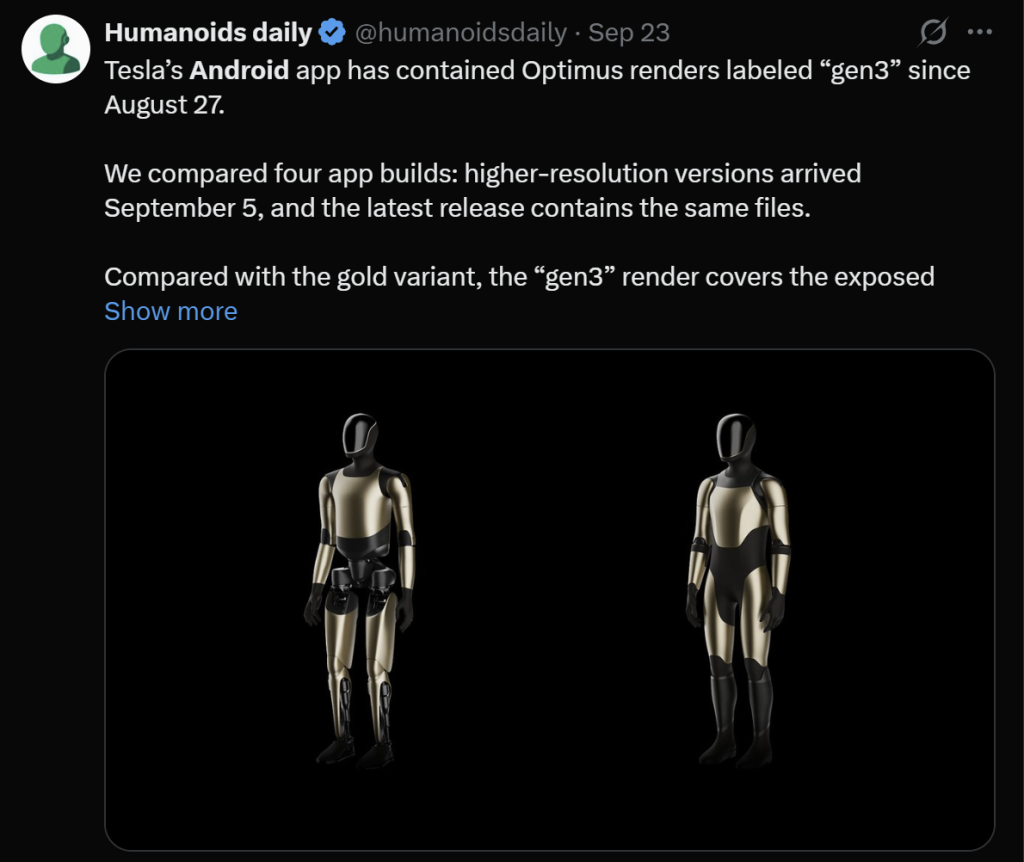
One of the biggest clues about the next-gen Optimus may have been leaked from Tesla itself unintentionally. According to Humanoids Daily, images extracted from Tesla’s Android app in September appeared to reveal a redesigned humanoid with smoother body panels, more concealed joints, and refined hands. The images have since been removed from Tesla’s app, adding to the intrigue.
One of the few things Musk has confirmed about the next Optimus is that it will run on Tesla’s next-gen AI5 chip. He said it’s a “big step change intelligence” that will “help a lot with the capabilities of Optimus.”
“That’s a giant improvement in quality with an order of magnitude more operations per second,” Musk said.
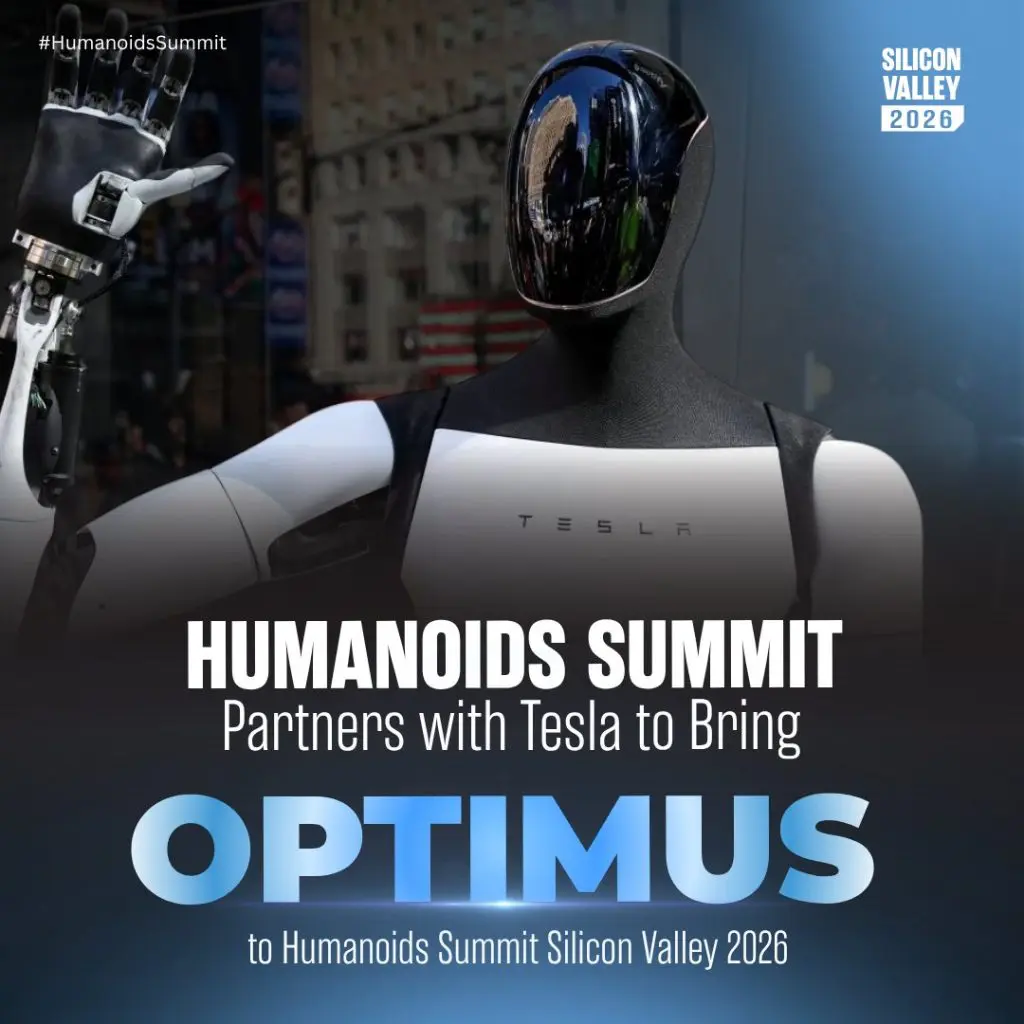
If Tesla unveils the Gen 3 Optimus before 2027, there are two logical opportunities. The first is the Humanoids Summit in Silicon Valley scheduled for the first two days of December. Event organizers have announced they’ree partnering with Tesla to bring Optimus to its third annual event in the valley. A day later, Tesla will hold its yearly shareholder meeting in Texas. The December 3rd meeting is a credible opportunity for new footage or a substantial update, though a full unveiling would be unusual for the venue.