
The Singaporean startup Sharpa Robotics say its viral dexterous robotic hand has entered mass production.
The startup’s AI-powered end effector, called the SharpaWave, five-fingered end effector boasts 22 degrees of freedom (DoF), which puts it in the upper echelon of robotic hands entering the market today. The dexterity matches the reported specs of the third-generation Telsa Optimus humanoid robot’s hand that’s expected to enter mass production in 2026.
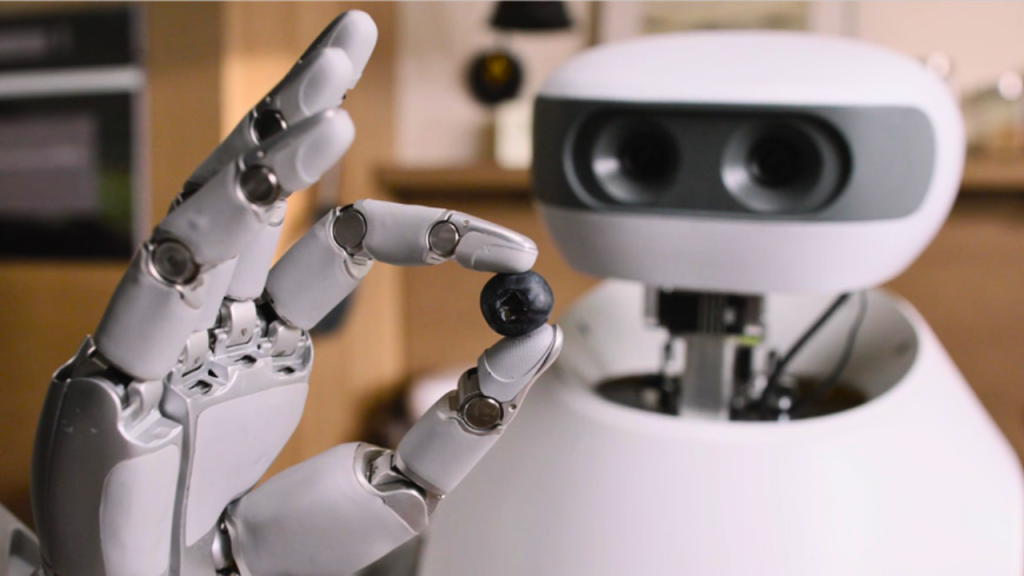
According to Sharpa, the robot hand’s tactile sensing differentiates it from the crop of advanced end effectors emerging in the race toward general-purpose robotics. Its so-called Dynamic Tactile Array gives each fingertip more than a thousand touch sensors so it can feel extremely light or firm pressure. It picks up details smaller than a millimeter, which is about the size of a grain of sand, the edge of a sheet of paper, or a stand of human hair.
With 30 N of fingertip force, the SharpaWave can firmly grasp tools, lift common objects, and manipulate parts in industrial or lab settings. It can open and close its fingertips more than four times per second, almost matching the speed of human digits. Thanks to its fine-touch sensors, the SharpaWave can adjust its grip instantly to avoid crushing fragile items.

The tactile sensors send updated data on pressure, texture, and force readings up to 180 times per second to the SharpaWave’s artificial intelligence. The AI system uses that stream of data to make split-second decisions on how to move or adjust itself.
Sharpa has not publicly revealed pricing, requiring anyone interested in pre-ordering to fill out a contact form on its website.
The SharpaWave is one of many advanced robotic hands going to market in 2025. Humanlike end effectors are seen as key to making autonomous robots useful in everyday life. With five-fingered dexterity, the machines can use the same tools and controls designed by, and for, people.

Another recent entry by the Chinese company Wuji Tech has gained virality for its direct drive design and uncanny performance in a lightweight package.
The Wuji Hand features a reported 20 active DoF, allowing each finger to move independently with four joints. Weighing just under 400 grams (1.3 lbs), it’s slightly heavier than the average person’s hand, which is typically between 400 and 500 grams (around 1 lb). Its fingertip output reaches about 15 N, enough to handle tools, electronics, and everyday objects with realistic grip strength.
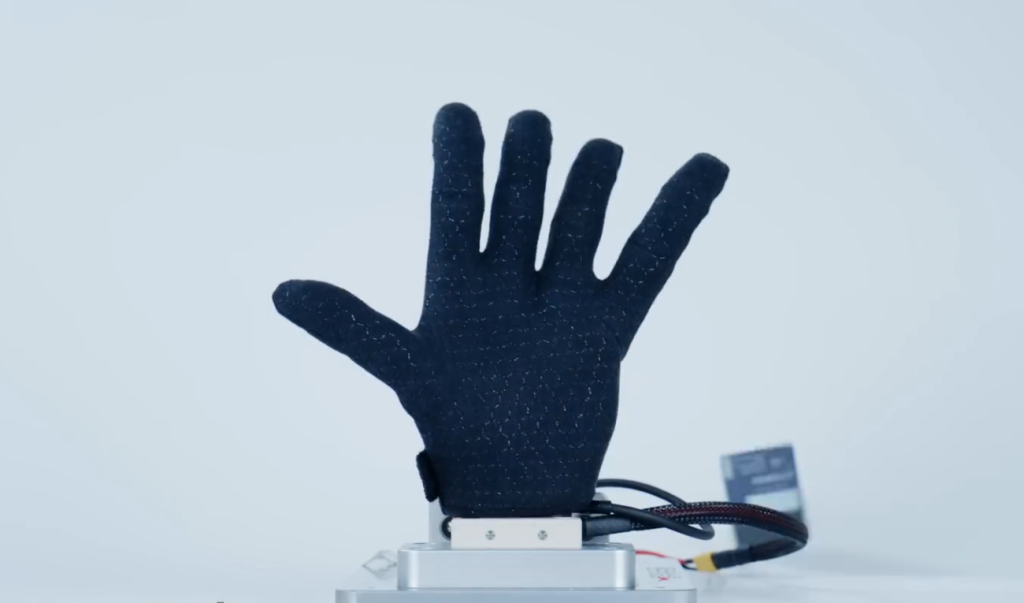
The Wuji Hand’s design differs from the more common tendon-driven approach, which uses cables pulled by motors to simulate human muscles tugging tendons.
Direct-driven hands have small motors inside each joint. They’re heavier than cable-driven designs, but they offer faster, more precise movement with generally easier maintenance.
The Wuji Hand sets itself apart from other direct-drive designs with its tiny motors embedded directly inside each finger joint. Most direct-drive designs, like the Allegro Hand by South Korea’s Wonik Robotics, feature motors in the wrist or palm.
Shenzhen-based Wuji Tech says its robo-hand has been tested through hundreds of thousands of grips, showing it’s built to last. The Wuji Hand is reportedly priced around $5,5000, which is remarkably low for the reported capabilities.
The Shanghai-based startup AgiBot is aiming even lower with its newly launched OmniHand 2025. That hand’s design, which appears to be tendon driven, features up to 16 DoF, weighs about 500 grams, and comes equipped with more than 400 tactile and force sensors.

AgiBot, also known as Zhiyuan Robotics, describes its OmniHand as a step toward democratizing dexterous manipulation, bringing humanlike robotics with reach of smaller labs, startups, and hobbyists. Pricing varies by version, ranging from around $1,300 for the agile edition to $2,000 or more for higher-end pro models.