
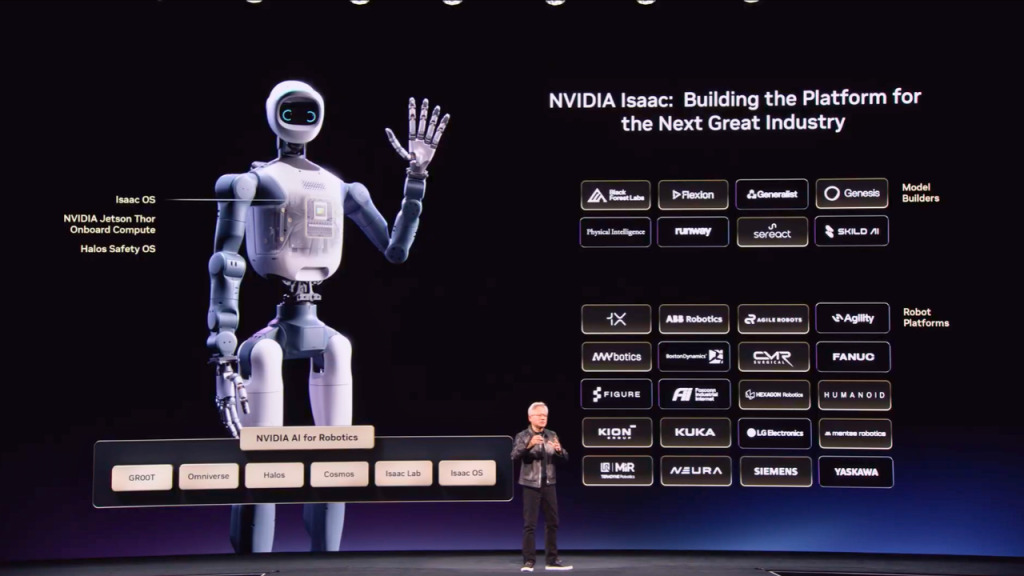
At GTC Berlin last week, NVIDIA CEO Jensen Huang argued that the robotics industry needs standardized hardware to accelerate development.
“Building a special configuration for each one of the diverse tasks segments … prevents the technology flywheel to happen,” Huang said during his keynote.
NVIDIA’s solution is its GR00T reference humanoid platform. But the GPU maker has now introduced two reference humanoids with different bodies, hands, sensors, and control systems. Doesn’t that undermine the whole point of creating a reference platform?
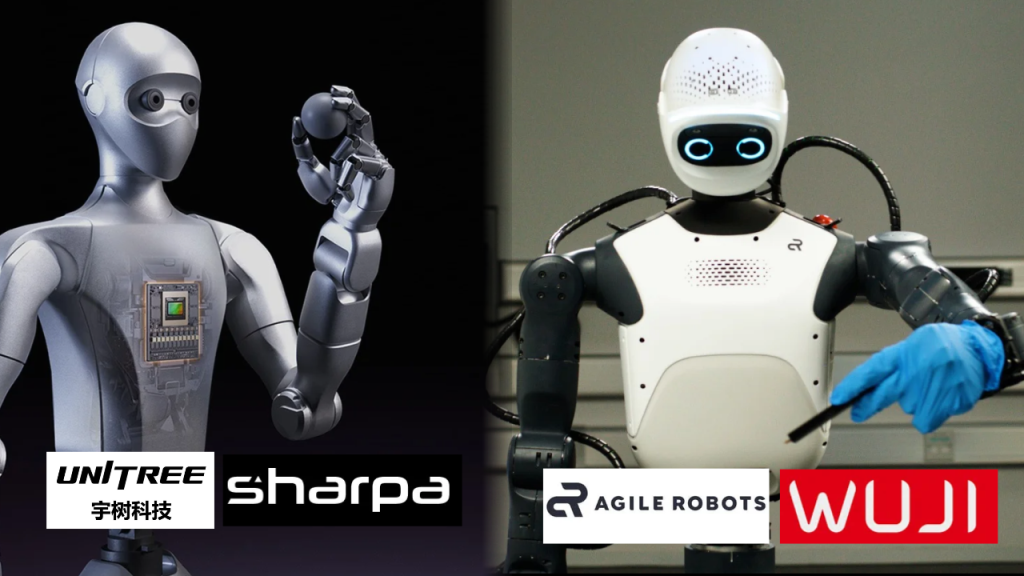
The first GR00T humanoid, announced in May at GTC Taipei, has a Unitree H2-Plus body and Sharpa Wave hands. The second humanoid, unveiled last week at GTC Berlin, has an AGILE One SN and Wuji Tech hands.
Both reference humanoids integrate with NVIDIA’s AI hardware and software ecosystem. They use its Jetson Thor computer to run AI models and to execute commands. They both support NVIDIA’s Isaac GR00T foundation models built to help humanlike robots understand instructions and perform tasks. Using Isaac Sim and Isaac Lab, developers can create digital twins of the robots to train in simulation before trying new behaviors in physical reality. There’s also Isaac Teleop for human-controlled demos and data collection, Isaac ROS to connect trained AI models to hardware, and NVIDIA’s new Halos safety system.
The body choice seems political. The first reference humanoid is a Chinese platform from a company that’s since been added to the Pentagon’s list of companies linked to the People’s Liberation Army. The second is from a German Aerospace Center spinoff, which makes securing federal grants easier.
Hands don’t get the same level of scrutiny. They’re not included in the FCC’s restrictions of foreign-made robots. They’re only mobile when they’re doing an Adams Family homage.
The Unitree H2-Plus’s SharpaWave hands are from a Singaporean company that manufactures its products in China. The Agile One SN’s hands are from a Chinese company.
Sharpa’s hand has 22 active degrees of freedom, while the Wuji Hand 2 has 20. They both use direct drive systems. The main difference seems to be that Sharpa has more advanced tactile sensing while the Wuji hand is more compact and prioritizes grip control. The Wuij Hand is probably $40,000 cheaper than Sharpa. But the Agile One is likely considerably more expensive than the Unitree hardware total cost probably balances out.
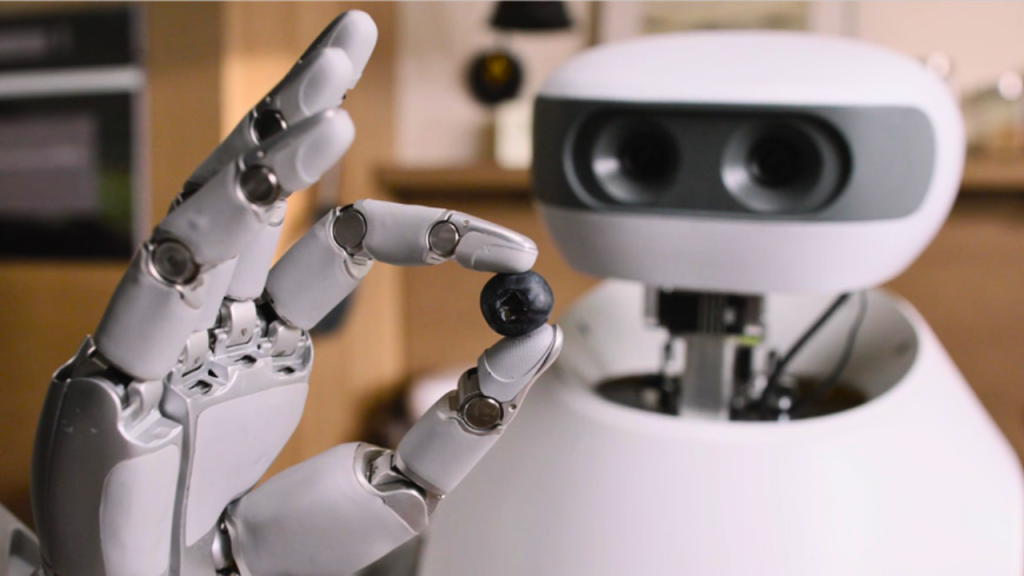
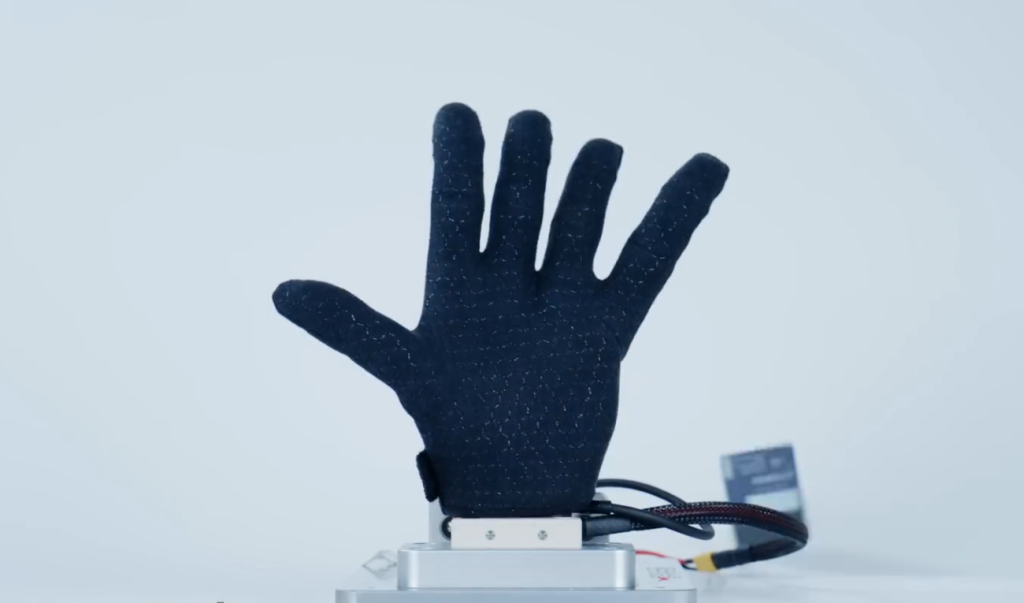
Regardless, doesn’t using different systems undercut the whole point of a reference platform? How can anything be standardized with different robot bodies, sensors, control systems, and end effectors? NVIDIA might argue that it’s standardizing AI AKA superintelligence rather than the robot. But if that’s the case, what is the point in them having a reference humanoid platform?
If geopolitics weren’t an issue, I assume NVIDIA would just use a Unitree H2 for a full-sized reference humanoid and a Unitree G1 for a compact version, both with Wuji hands.